Asbestos Testing & Inspections in Morris County, NJ
Bulk sampling of suspect building materials with independent laboratory analysis, before you renovate, demolish, or buy.
Know what is in your building materials before you disturb them
Asbestos was widely used in building products for decades. You can’t tell whether a material contains asbestos just by looking at it. When those materials are intact they may not be an immediate concern, but sanding, cutting, drilling, or demolishing them can release fibers. Testing suspect materials before work begins lets you and your contractor plan the project with real information.
What the inspection includes
- Review of the areas and materials your project will affect
- Identification of suspect materials in those areas
- Collection of small bulk samples from each suspect material
- Labeling, photo documentation, and chain-of-custody records for every sample
- Analysis by an independent laboratory
- A written report with sample locations, descriptions, and laboratory results
Suspect materials we commonly sample
Flooring
Vinyl and resilient floor tiles, sheet flooring, and the mastics or adhesives underneath.
Walls & ceilings
Drywall joint compound, plaster, textured or “popcorn” ceilings, and ceiling tiles.
Insulation
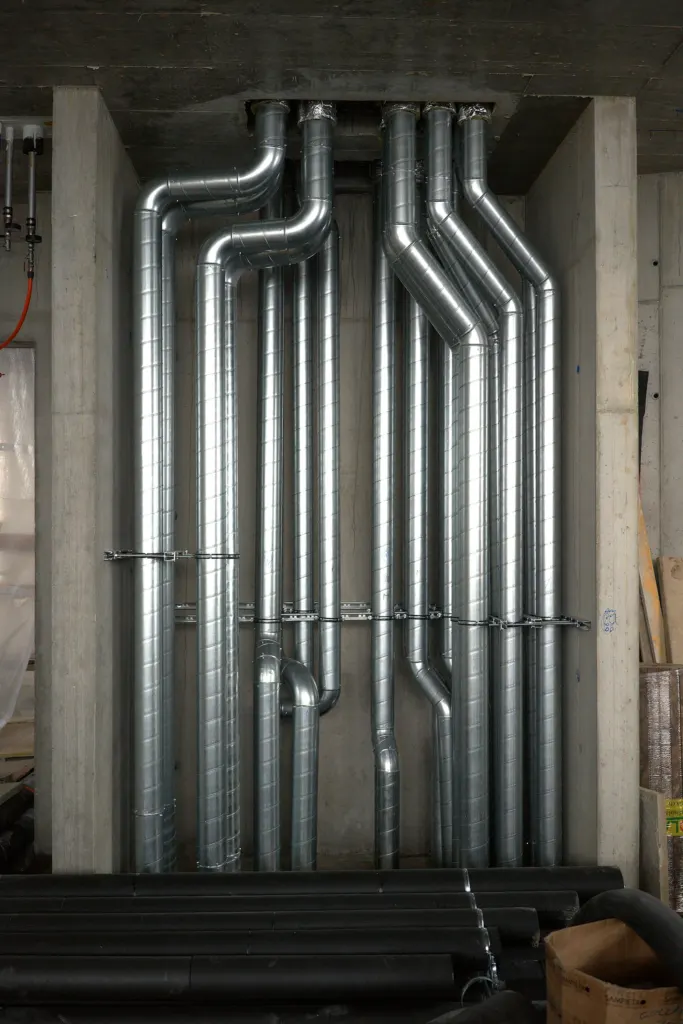
Pipe and boiler insulation, duct wrap, and certain types of loose-fill insulation.
Exterior & roofing
Siding, roofing materials, caulks, glazing compounds, and similar products.
How bulk sampling works
For each suspect material, a small piece is carefully removed using hand tools, sealed in a labeled container, and logged. The sampled area is then patched or sealed to limit any disturbance. Samples are sent to an independent laboratory, which commonly analyzes building materials using polarized light microscopy (PLM), and reports whether asbestos is detected and in what approximate percentage.
Common reasons customers request asbestos testing
- Kitchen or bathroom renovation
- Flooring replacement
- Removing walls or ceilings
- Planned demolition
- HVAC, boiler, or pipe work
- Buying an older property
- Damaged or deteriorating materials
- Contractor or project requirements
Residential and commercial applications
Homes: renovations, additions, flooring projects, basement finishing, and pre-purchase evaluations. Commercial: tenant fit-outs, office and retail renovations, warehouse and multifamily projects, and buildings being prepared for demolition.
Our inspection process
Define the project
We discuss what will be renovated or demolished so sampling focuses on the materials that matter.
Identify suspect materials
We walk the work areas and identify materials that should be sampled.
Collect bulk samples
Small samples are removed, sealed, labeled, and documented.
Lab analysis and report
Samples are analyzed and the results are organized into your written report.
Laboratory analysis and reporting
Your report lists each material sampled, where it was collected, a description, and the laboratory result. That gives you and your contractor a clear record of which materials contain asbestos and which do not.
What you receive
- A written report with sample locations and photos
- Laboratory results for each sample
- A clear summary of which materials tested positive or negative
- Recommendations for next steps, such as consulting a licensed abatement contractor if needed
Important testing limitations
- Results apply only to the materials and locations sampled. Untested materials should be treated as suspect until tested.
- Materials hidden inside walls, under other layers, or in inaccessible areas may not be identified without further investigation.
- Bulk sampling is a small, controlled disturbance of each material. Please don’t try to sample materials yourself.
- We do not perform asbestos removal or abatement.
Frequently asked questions
Can you tell if something has asbestos by looking at it?
No. Many asbestos-containing materials look identical to asbestos-free products. Laboratory analysis is the only reliable way to know.
Should I test before renovating?
If your project will disturb building materials, testing first lets you and your contractor plan the work appropriately. See asbestos testing before renovation.
How many samples will I need?
It depends on how many different suspect materials are in the work area. We will review the project with you and explain the recommended sampling.
Do you remove asbestos?
No. We only inspect and test. If removal is needed, it must be performed by an appropriately licensed abatement contractor.
What does a positive result mean?
It means the laboratory detected asbestos in that material. Your report will explain the result and suggested next steps for your project.
Planning a renovation? Test for asbestos first.
Tell us about the property and what you need tested. We will contact you to confirm a time.