Mold Testing & Inspections in Morris County, NJ
Air sampling, surface sampling, moisture readings, and laboratory analysis for homes and commercial buildings, with clear written results.
Mold testing that tells you what is really going on
A musty smell, a stain that keeps coming back, or a recent leak can leave you wondering whether mold is affecting your home or building. Our mold inspections combine a careful look at the property with air and surface sampling analyzed by an independent laboratory, so your decisions are based on data instead of guesswork.
What the inspection includes
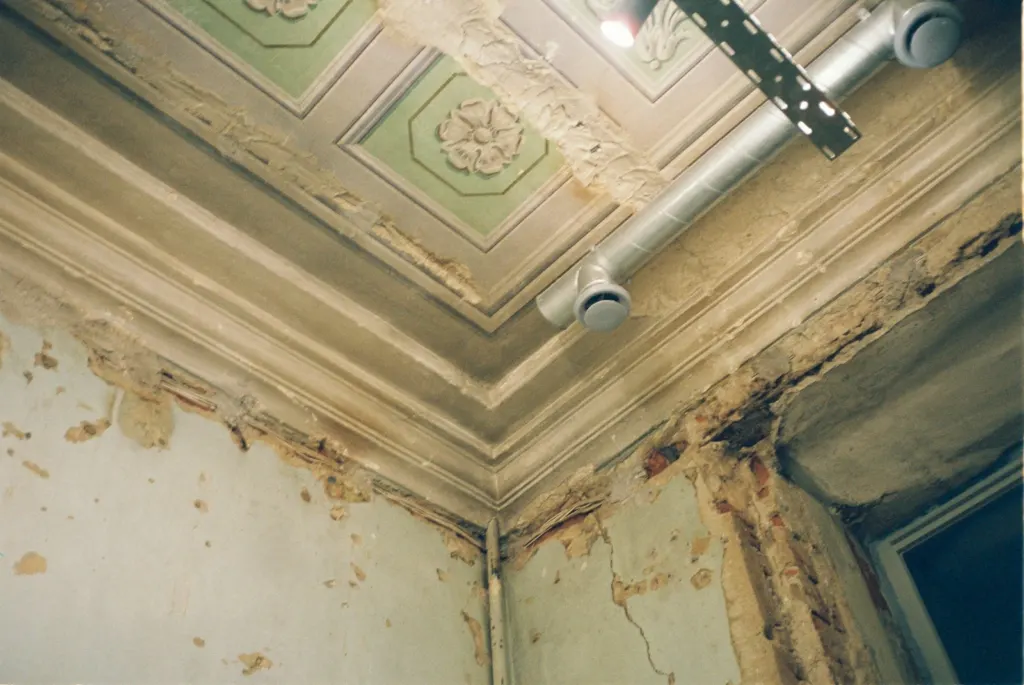
- Visual inspection of the areas you are concerned about, such as basements, attics, bathrooms, and rooms with past water damage
- Moisture measurements of walls, floors, and building materials where moisture is suspected
- Air sampling to compare indoor airborne spore levels with an outdoor reference sample
- Surface sampling of visible growth or suspect discoloration
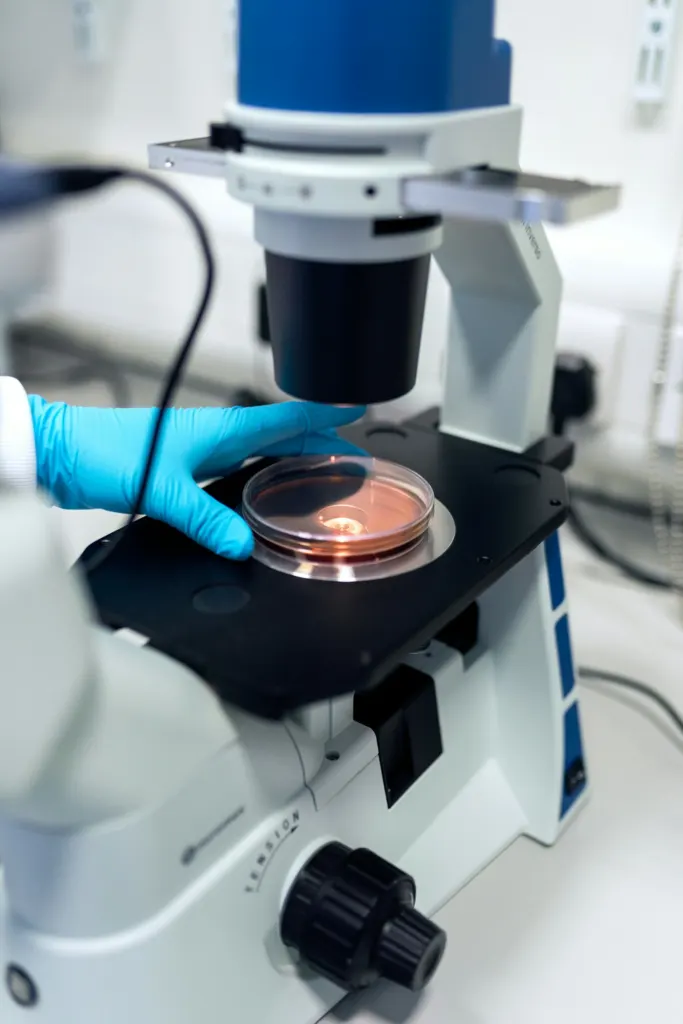
- Laboratory analysis of all samples by an independent laboratory
- A written report with observations, sample locations, laboratory results, and recommendations
Types of mold sampling
Air sampling
A calibrated pump draws a measured volume of air through a sampling cassette. Indoor results are compared with an outdoor sample to see whether indoor conditions differ from the outdoor baseline.
Surface swabs
A sterile swab collects material from a visible spot or stain so the laboratory can identify whether mold is present and which types.
Tape-lift samples
Where appropriate, clear tape is pressed against a surface to lift material for microscopic examination.
Post-remediation verification
After a remediation contractor finishes, sampling and inspection help document whether the work area appears to have been cleaned up. Learn more.
Common reasons customers request mold testing
- Persistent musty or earthy odor
- Visible growth or recurring stains
- Recent leak, flood, or sewer backup
- High humidity or condensation
- Buying, selling, or renting a property
- Tenant or occupant concerns
- Documentation before or after remediation
- Unexplained indoor air quality concerns
Residential and commercial applications
Homes: single-family houses, condos, apartments, finished basements, crawl spaces, and attics. Commercial: offices, retail spaces, warehouses, and multifamily buildings, including common areas and units with reported concerns.
Our inspection process
Discuss your concerns
We learn about the property, its history, and what you have noticed.
Inspect and measure
We walk the areas of concern and take moisture readings where useful.
Collect samples
Air and surface samples are collected, labeled, and documented.
Lab analysis and report
Samples are analyzed and the results are explained in your written report.
Laboratory analysis and reporting
Every sample is submitted with chain-of-custody documentation to an independent laboratory. Your report brings together our observations, moisture readings, sample locations, and the laboratory data, along with a plain-language explanation of what the results suggest.
What you receive
- A written report with observations and photos of relevant conditions
- Sample locations and laboratory results
- An explanation of the findings in clear language
- Recommendations, such as addressing moisture sources or consulting a remediation contractor
Important testing limitations
- There are no federal numeric limits for airborne mold, so results are interpreted by comparing locations and conditions.
- Air samples reflect conditions at the time of sampling. Spore levels can change with weather, activity, and ventilation.
- Hidden growth inside walls or other concealed spaces may not be detected without invasive investigation.
- Mold testing does not diagnose health conditions. Questions about health should go to a medical professional.
- We do not perform mold remediation.
Frequently asked questions
Do I need testing if I can already see mold?
Not always, but testing can help define how widespread the problem is, document conditions for a landlord, buyer, or insurer, and establish a baseline before remediation.
How long does a mold inspection take?
It depends on the size of the property and the number of samples. We will give you an idea of what to expect when we confirm your appointment.
Should I clean or run an air purifier before the inspection?
Please avoid heavy cleaning, painting, or running air purifiers right before sampling, since they can affect results. We will share any preparation tips when we confirm.
Do you remove mold?
No. We are a testing and inspection company. If remediation is needed, a separate remediation contractor performs the work, and we can return afterward for post-remediation verification.
Can you test after a remediation company finishes?
Yes. See post-remediation verification.
Concerned about mold? Schedule a mold inspection.
Tell us about the property and what you need tested. We will contact you to confirm a time.