Lead Paint & Lead Dust Testing in Morris County, NJ
Paint and dust testing for older homes, rentals, and commercial buildings, with documented results you can act on.
Lead testing for older homes and buildings
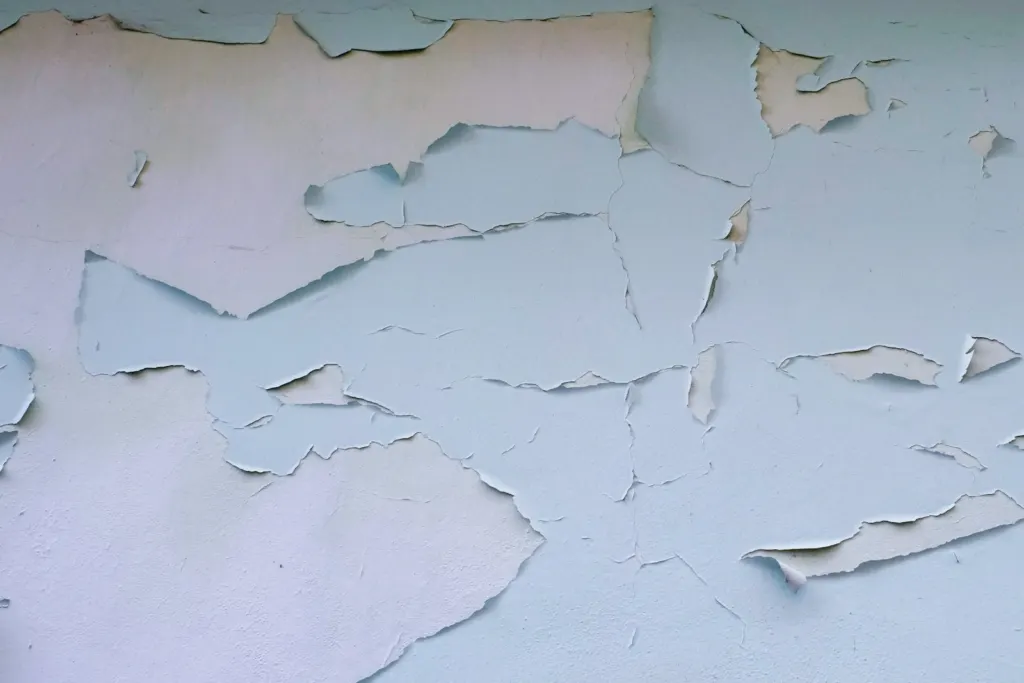
Lead-based paint was banned for residential use in the United States in 1978, but it remains on walls, windows, doors, and trim in many older New Jersey properties. When that paint chips, peels, or is disturbed during work, it can create lead dust. Testing tells you where lead is present so you can make informed decisions about maintenance, renovation, and occupancy.
What the inspection includes
- Review of the property’s age, condition, and your goals for testing
- Inspection of painted surfaces and their condition
- Paint testing and/or dust-wipe sampling, depending on what you need to know
- Documentation of every test location
- Laboratory analysis where samples are collected
- A written report of findings
Types of lead testing
XRF paint testing
A portable X-ray fluorescence (XRF) instrument measures lead in paint on the spot, without removing paint. It is useful for testing many surfaces quickly.
Paint-chip sampling
A small sample of paint, including all layers down to the surface, is collected and analyzed by a laboratory.
Dust-wipe sampling
A specialized wipe is used to collect settled dust from floors or window sills in a measured area, and the laboratory reports how much lead was found.
Lead-safe inspections
Some New Jersey rental properties are subject to lead-safe inspection requirements. Contact us to discuss whether we can perform the inspection your municipality requires.
Paint testing vs. dust-wipe testing
Paint testing (XRF or paint chips) answers the question, “Does this painted surface contain lead?” It identifies where lead-based paint is located. Dust-wipe testing answers a different question: “Is there lead in the dust people may be exposed to right now?” Dust wipes are commonly used to evaluate current conditions and, after renovation or lead hazard reduction work, to check whether the area has been adequately cleaned. Many projects use both.
Common reasons customers request lead testing
- Home built before 1978
- Planned renovation or window replacement
- Peeling or chipping paint
- Young children or pregnancy in the home
- Rental property turnover
- Buying or selling a property
- Checking dust after renovation work
- Landlord or municipal requirements
Residential and commercial applications
Homes and rentals: single-family homes, apartments, and multifamily units, especially older housing. Commercial: older offices and retail buildings, mixed-use properties, and renovation projects in pre-1978 structures.
Our inspection process
Understand your goals
Are you renovating, renting, buying, or checking current conditions? Your goal shapes the testing approach.
Inspect the property
We look at painted surfaces and their condition throughout the areas of concern.
Test and sample
We perform paint testing and/or collect dust-wipe samples and document each location.
Results and report
Results, including laboratory data where applicable, are compiled into your written report.
Laboratory analysis and reporting
Paint-chip and dust-wipe samples are sent to an independent laboratory with chain-of-custody documentation. XRF readings are recorded on site. Your report organizes every result by location so it is easy to see where lead was and was not found.
What you receive
- A written report listing test locations and results
- Laboratory results for collected samples
- A plain-language summary of findings
- Recommendations, which may include lead-safe work practices or consulting a certified lead abatement contractor
Important testing limitations
- Results apply to the surfaces and locations tested. Untested surfaces may still contain lead.
- Dust-wipe results reflect conditions at the time of sampling and can change with cleaning, activity, or new paint deterioration.
- Lead testing does not evaluate anyone’s health. Blood lead testing is done through a medical provider.
- We do not perform lead abatement or paint removal.
Frequently asked questions
My home was built before 1978. Does it have lead paint?
Not necessarily, but it is much more likely. Testing is the only way to know which surfaces, if any, contain lead-based paint.
What is the difference between XRF and paint-chip testing?
XRF measures lead in paint on the spot without removing paint. Paint-chip testing removes a small sample for laboratory analysis. Both identify lead in paint. The best choice depends on the project.
When is dust-wipe testing used?
Dust wipes measure lead in settled dust. They are useful for evaluating current exposure risk and for checking cleanliness after renovation or lead hazard reduction work.
Do you remove lead paint?
No. We only inspect and test. Lead abatement must be performed by an appropriately certified contractor.
I am a landlord. Can you help with lead-safe requirements?
Contact us with your property details. We will discuss your municipality’s requirements and whether we can perform the inspection you need.
Living or working in an older building? Schedule lead testing.
Tell us about the property and what you need tested. We will contact you to confirm a time.